 Depth & Defense
Sub-Level Architecture
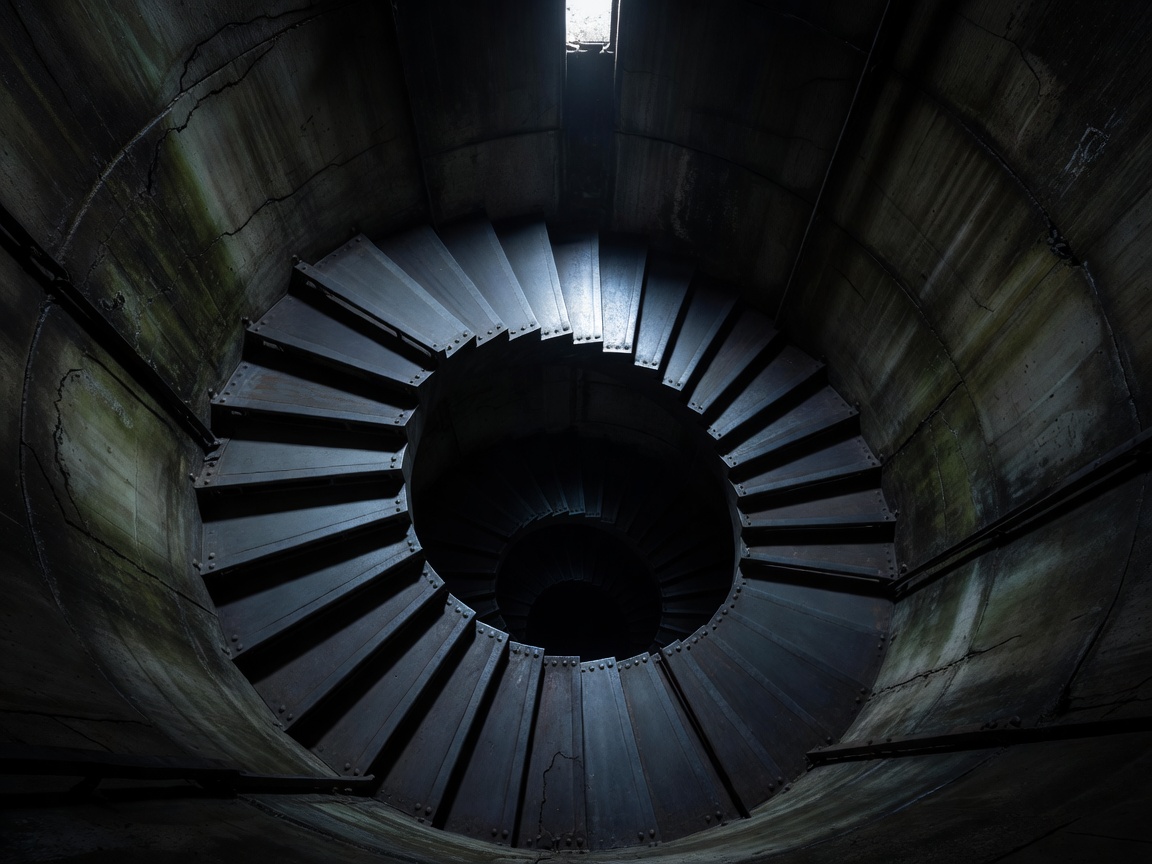
Descending up to 200 feet below the surface, silos are encased in epoxy-resin reinforced concrete, thick enough to neutralize radiation and brute force.
For those who require absolute security, nothing surpasses the engineering of a decommissioned missile silo. Built during the Cold War to withstand direct surface impacts and catastrophic seismic events, these vertical subterranean tunnels represent the pinnacle of protective architecture.
Depth & Defense
Descending up to 200 feet below the surface, silos are encased in epoxy-resin reinforced concrete, thick enough to neutralize radiation and brute force.
 Psychological Design
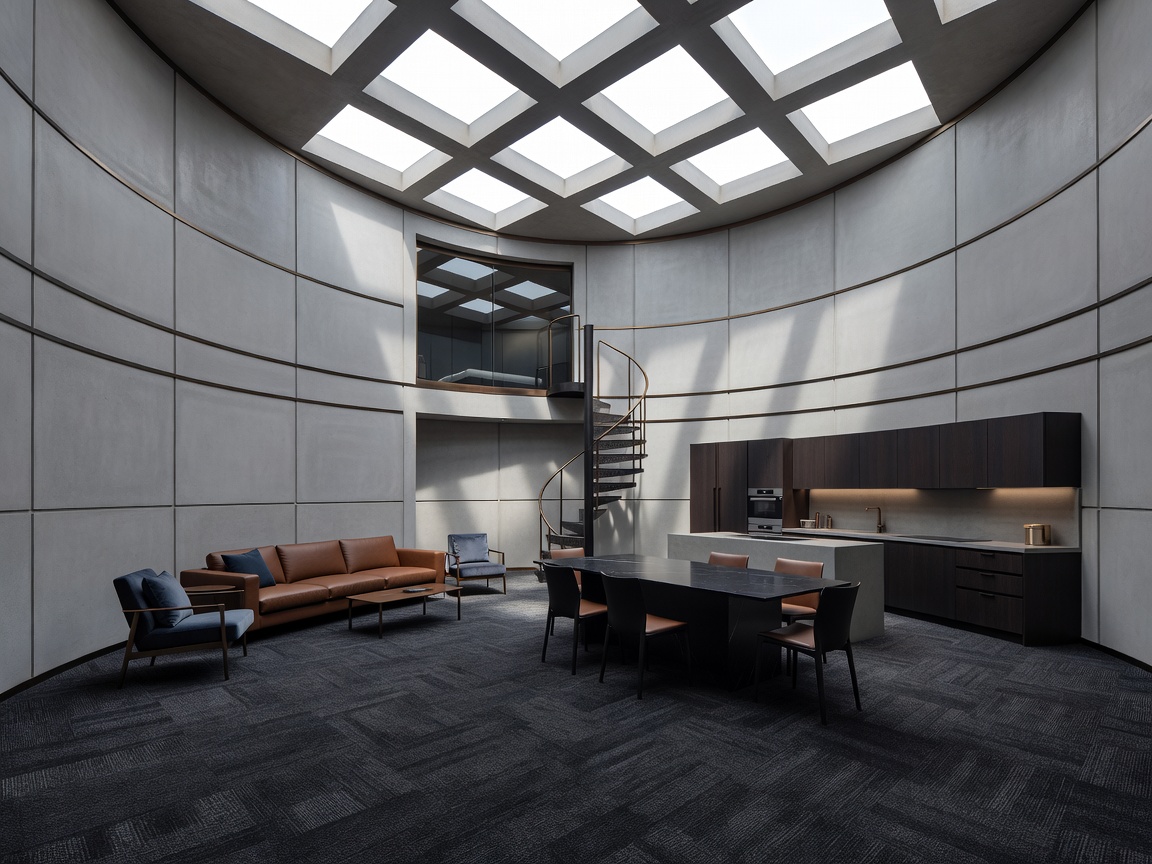
To combat subterranean claustrophobia, modern silo conversions utilize high-lumen LED screens simulating real-time surface landscapes and daylight cycles.
A typical Atlas-F or Titan missile silo conversion is divided into structural zones. The upper levels near the blast doors house air filtration (NBC - Nuclear, Biological, Chemical) scrubbers and diesel generator arrays. Middle levels contain hydroponic bays and aquaculture tanks for perpetual food generation. The deepest levels, insulated by immense mass, hold the residential suites and command centers.
The financial barrier to entry is high, but the result is a dwelling utterly detached from surface anxieties. In an era of climatic and societal instability, the silo offers an uncompromising guarantee of safety.
Cookies on this site We use necessary cookies to run the site and, with your consent, optional ones to measure visits. You can change this at any time. Read more